 Malmo FF Hub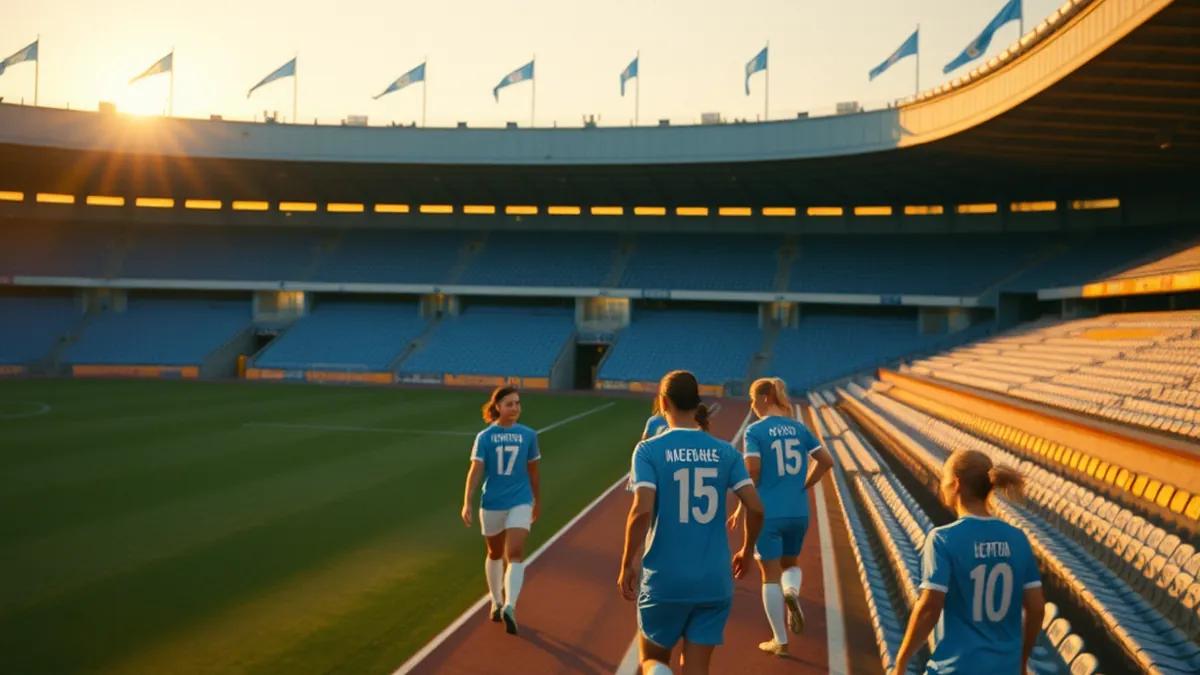
Malmö FF's women's team has a rich history that began on September 7, 1970, when the club decided to establish a section for women's football. Ulla Grewin, Ulla Rosén, and Gunilla Rosenkvist led the newly formed section. The recruitment of players was successful, with around 100 women attending the first training session. This led to the formation of Malmö FF's first women's squad. The annual meeting in January 1971 confirmed the decision to include women's football in the club's activities.
In the 1971 season, Malmö FF's women's team participated in league play for the first time. At that time, there was no national Swedish championship for women, but the team took part in local leagues organized by the newspaper Arbetet. Malmö FF finished third in their group, and several players, including Ann-Christin Nilsson and Anette Svensson, would later play over 100 matches for the club.
By 1972, the number of players increased, and Malmö FF fielded both an A-team and a B-team. The A-team played in Division 2 West and finished in second place. Krister Hedin was appointed as coach and would lead the team until 1977. This period was crucial in building a strong foundation for women's football within the club.
In 1973, a national Swedish championship for women was established, giving Malmö FF the opportunity to compete at a higher level. The team won Division 2 West Skåne and advanced to the highest league in the district. Camilla Andersson made her debut at the age of eleven and would later become the player with the most matches for Malmö FF's women's team, with a total of 438 matches.
By 1974, Malmö FF was playing in the highest Skåne league and also began developing youth football for girls, leading to an increase in the number of youth teams. Over the years, the team continued to grow and establish itself as a strong player in Swedish women's football, with several players making significant contributions to the club.
Malmö FF's women's team has undergone many changes and successes since its inception. Today, the team is an important part of the club's identity and continues to inspire future generations of football players in Malmö and Sweden.